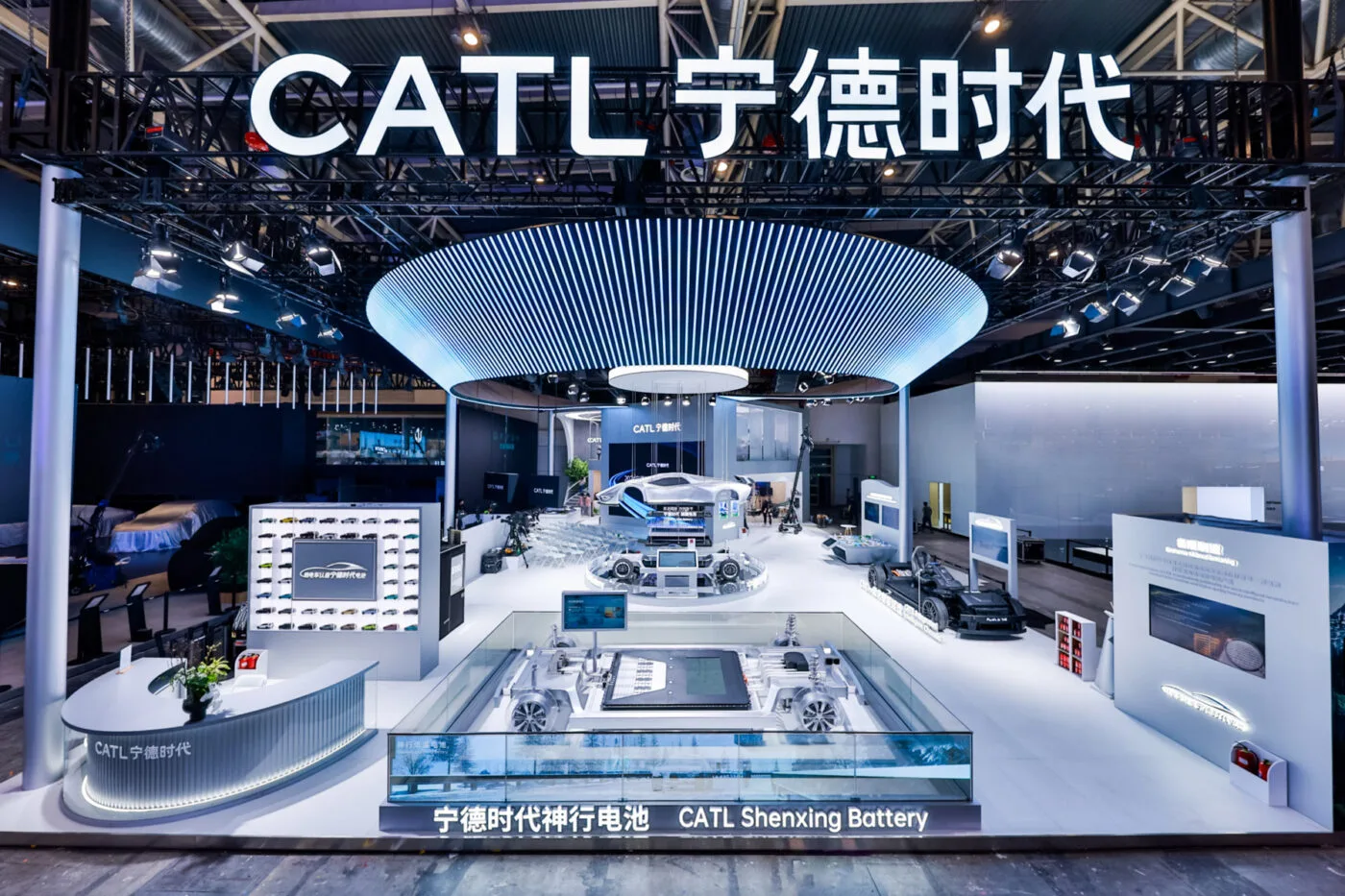
China has officially activated the world's largest battery energy-storage testing facility, a 3 billion yuan mega-laboratory in Xiamen, Fujian province, designed to subject Chinese-made storage systems to extreme temperatures, vibrations, and electrical stresses before they reach global markets. The Xiamen Energy Storage Validation Research Institute (ESVL), built by battery giant Contemporary Amperex Technology Co. (CATL), covers an area equivalent to 14 football pitches and represents the country's most aggressive bet yet on dominating the grid-storage sector.
The facility opens as China's battery-based grid storage is projected to grow 150 percent this year, driven by Beijing's push for energy security and domestic manufacturers' ambitions to capture overseas markets, according to a South China Morning Post report published on the opening day. The lab is designed to solve a critical bottleneck: grid operators globally have delayed large-scale storage deployments due to concerns over battery safety and lifespan under real-world conditions.
CATL announced that the ESVL can simulate decades of battery degradation in months, testing systems under thermal runaway scenarios, high-humidity salt spray, and seismic loads, according to the company's official statement. The facility houses over 200 testing chambers and can validate storage systems with capacities up to 20 megawatt-hours per unit — enough to power thousands of homes for hours. "This institute will set the global benchmark for energy storage validation," a CATL spokesperson said in the announcement, noting that the lab will also develop new testing standards for the International Electrotechnical Commission.
The lab is already operational and has begun stress-testing CATL's next-generation sodium-ion and solid-state battery storage systems. The company stated that results from the first batch of tests will be published in a white paper scheduled for release in the fourth quarter of 2026, providing open data to utilities and regulators worldwide.