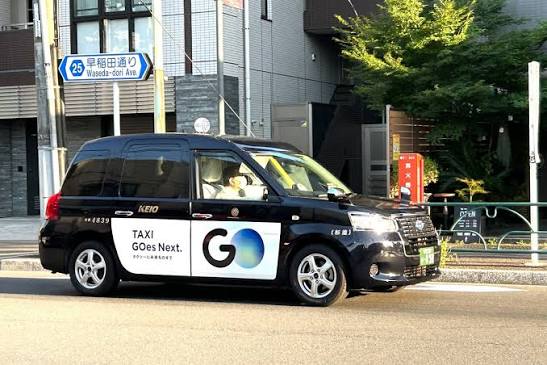
Go Inc., Japan’s dominant taxi-hailing app, raised ¥88.6 billion ($580 million) in the country’s largest initial public offering of 2026, the company announced. Shares surged 21% on their Tokyo Stock Exchange debut, reflecting strong investor appetite for a platform that has succeeded where global rivals like Uber struggled.
The IPO comes as Japan faces a worsening driver shortage, with the nation’s aging population shrinking the labor pool for traditional taxis. Go, which aggregates licensed fleets rather than competing with them, has positioned itself as the essential digital infrastructure for Japan’s taxi industry. The company’s model has allowed it to win regulatory support and fleet partnerships that Uber could not secure, according to TechCrunch.
Proceeds from the IPO will fund two parallel strategies. First, Go plans acquisitions of smaller regional taxi operators to consolidate the fragmented market and improve driver utilization. Second, the company is doubling down on autonomous driving: it has already partnered with Waymo to deploy driverless taxis in Tokyo, betting that robotaxis can fill the gap left by human drivers. “We see autonomous vehicles as the long-term solution to Japan’s mobility crisis,” the company said in its IPO prospectus, as reported by The Next Web.
Go’s debut is a milestone for Japan’s tech IPO market, which has lagged behind the U.S. and China. The company is now valued at over ¥400 billion, making it one of the most valuable startups to list in Tokyo this decade. Next up: Go aims to launch its first commercial robotaxi service in central Tokyo by early 2027, according to Startup Fortune.